The Window Stays
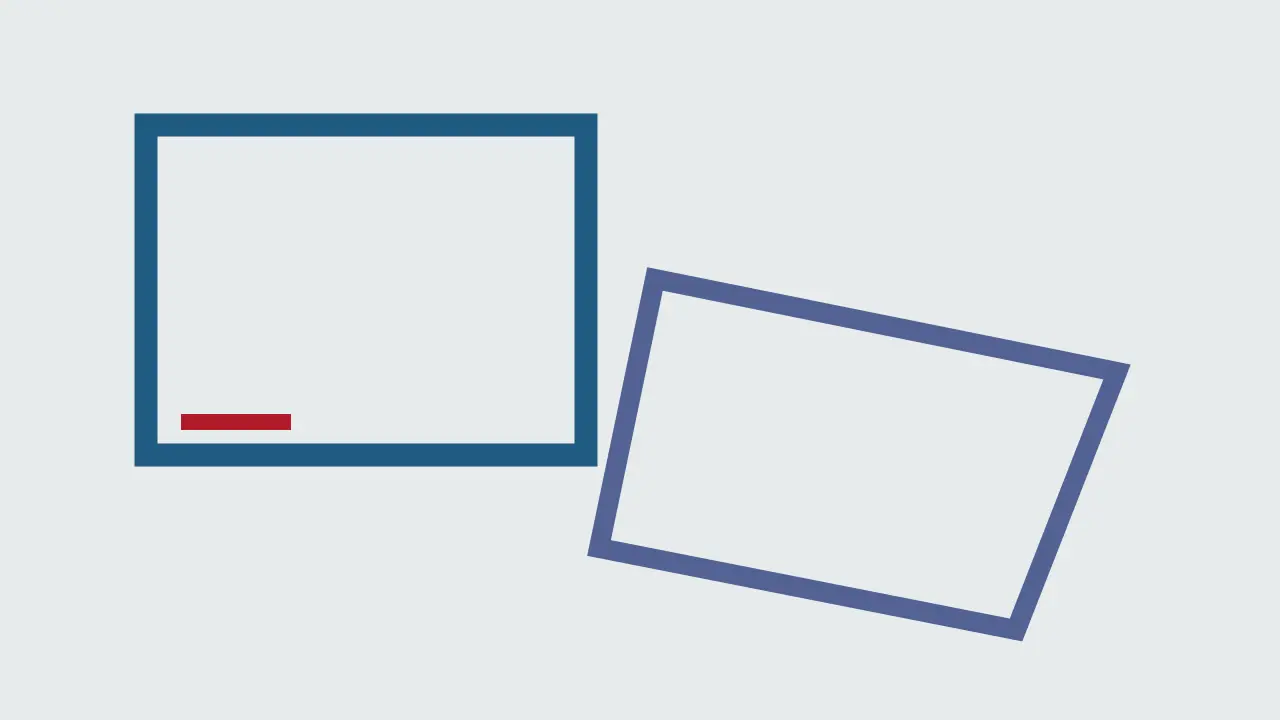
In the original landing exercise the window rotated as soon as the floor changed. Its reflection rotated with it. Both effects looked convincing and left the dreamer without a useful reference for the original direction. We kept the actual frame in its first position and let the reflected shape travel. The scene now gives an early way to see that the two images describe different surfaces.
Find the lower edge of the real window
The frame sits over the stair at the edge of a pale wall. A worn spot near its base remains visible from the center of the room and the lower turn. The reflected frame is a little narrower. It lies across the dark floor until the dreamer starts around the corner. We can inspect the original base as a stable direction without expecting the reflection to stay beside it.
In the first art test, both sets of edges were sharply defined. The reflected window looked like a second usable opening. We gave it a softer end where it touches the floor and kept the real frame clear against the wall. When the reflection climbs the side of the stair, the difference should still be visible. A narrow red mark on the real frame provides another way to check that it has not followed the light.
Check what the reflected line can tell you
The reflection changes first as the player moves toward the new viewing position. It suggests that a surface beyond the stair is beginning to face a different direction. That information is useful without offering a definite route. The dreamer still needs to look for a shape that can carry a step, just beyond the nearer wall. The real frame gives them a reference when moving farther to find it.
We tried letting the reflection line up with the correct step every time. The result was direct enough that a player might never look for the actual platform. The current case makes the reflected line move through a wider area. One part keeps its relation to the active surface, but you still have to look where the wall and landing separate. The next step becomes a thing to inspect rather than following a light on the wall.
Keep the view useful after the floor shifts
Standing on the new landing changes where the reflection appears relative to the original stair. A person who turns back toward the window can still see the worn patch. The short platform gives them enough room to compare it with the point on the rail they recognized below. We keep that turn available while the next doorway is still out of reach.
The review takes a first look from the stair, then asks somebody to open a different view from the small platform. If the image loses the original frame too soon, the turn can feel as if the room were completely replaced. When a useful feature remains visible, a player can compare earlier and later positions even while the new floor feels slightly unfamiliar.
Find the point where another move becomes possible
A Corner for Gravity explains why seeing a new floor and taking a step happen at different moments. The original window in The Last Landing connects those moments. Our next check will ask a reader to name three things they can still see when standing on the small platform. If one is the original frame, one is its changed reflection and one is a way back, the view can carry a useful relationship between the rooms while the next part of the dream remains open.
That view still has room to change.